Spring typically arrives in southern Indiana between mid-March and early April. Once daytime temperatures consistently hit 55°F and the ground has thawed, your lawn is ready for attention.
Step 1: Spring Cleanup Remove fallen branches, leftover leaves, and winter debris. This prevents mold and allows sunlight and air to reach the soil. Rake lightly to break up any matted grass — especially in shaded areas where snow tends to linger.
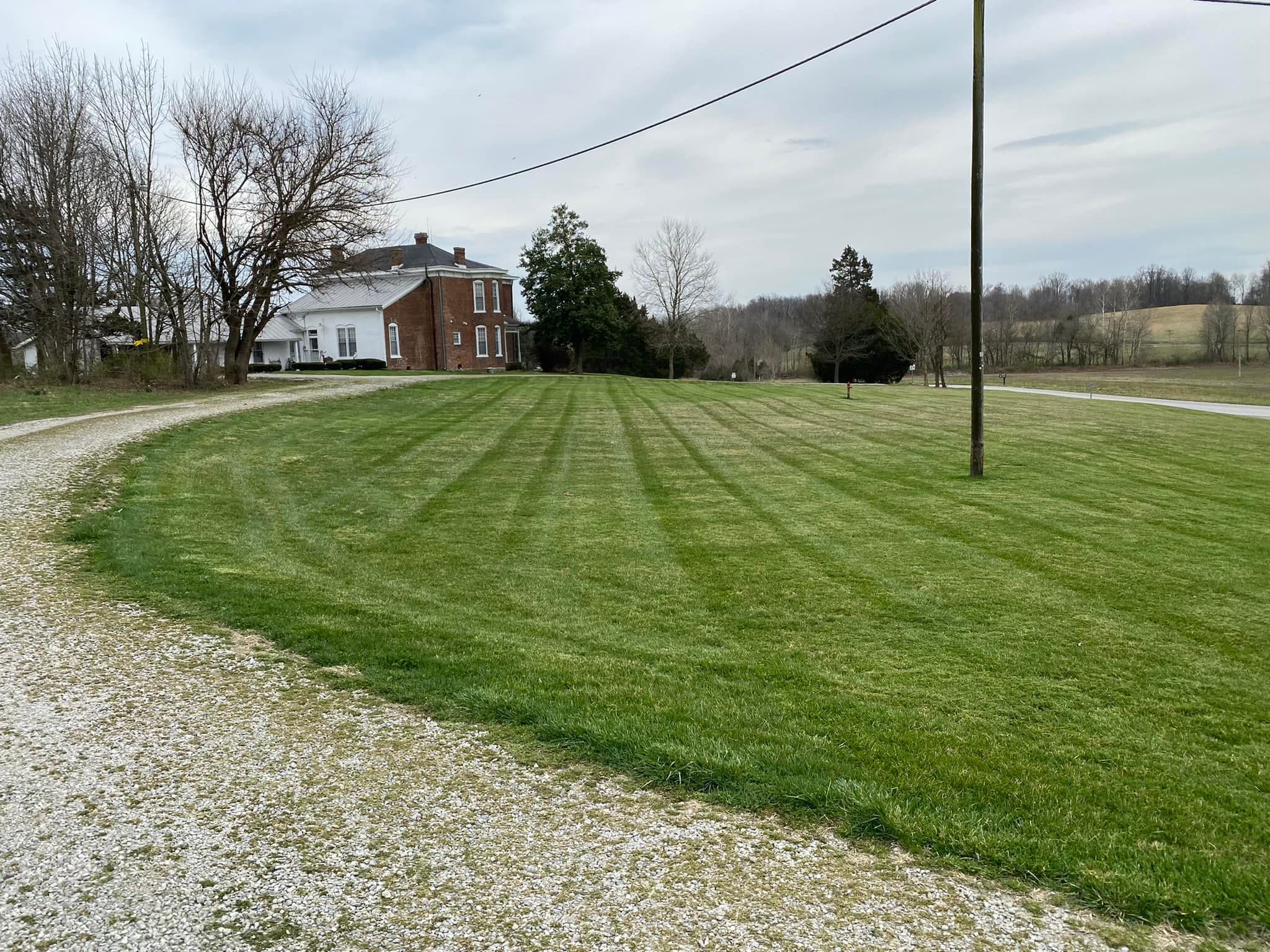
Step 2: First Mow Set your mower to a height of about 3 inches for that first cut. Mowing too short in early spring stresses the grass and invites weeds. As the season progresses, you can adjust based on growth patterns.
Step 3: Pre-Emergent Weed Control Timing is everything. Apply pre-emergent herbicide when soil temperatures reach 55°F for three consecutive days — usually late March in Scottsburg and Scott County. This prevents crabgrass and other annual weeds before they germinate.
Step 4: Fertilization Southern Indiana's clay-heavy soils benefit from a balanced fertilizer (like 20-5-10) applied in mid to late April. Avoid fertilizing too early — the grass needs to be actively growing to absorb nutrients effectively.
Step 5: Aeration & Overseeding If your lawn has bare patches or compacted soil, spring is a good time to aerate and overseed. Core aeration loosens compacted clay soil, improves drainage, and allows new seed to make better contact with the ground.
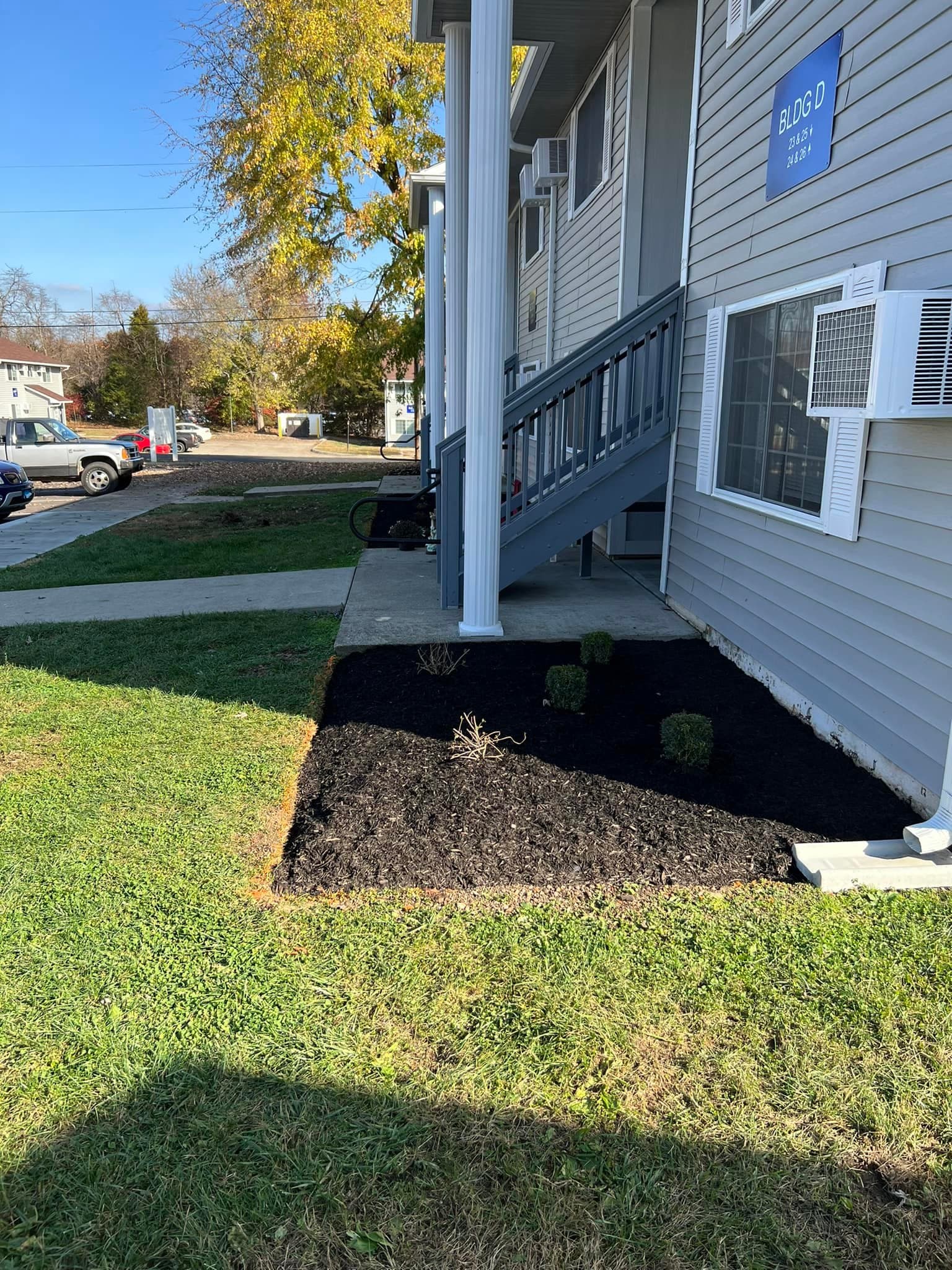
Step 6: Edge & Define Beds Clean, defined edges around flower beds, walkways, and driveways make a huge visual difference. Spring is the ideal time to re-cut bed lines before mulching.
When to Call a Professional If your lawn has significant bare spots, persistent weed problems, or drainage issues, a professional lawn care company can diagnose the root cause and recommend a targeted treatment plan. Kirks Mowing & Landscape offers free estimates for all lawn care services in Scott County and surrounding areas — call us at (812) 820-2701.